





BPC-157 10mg Peptide
 In stock
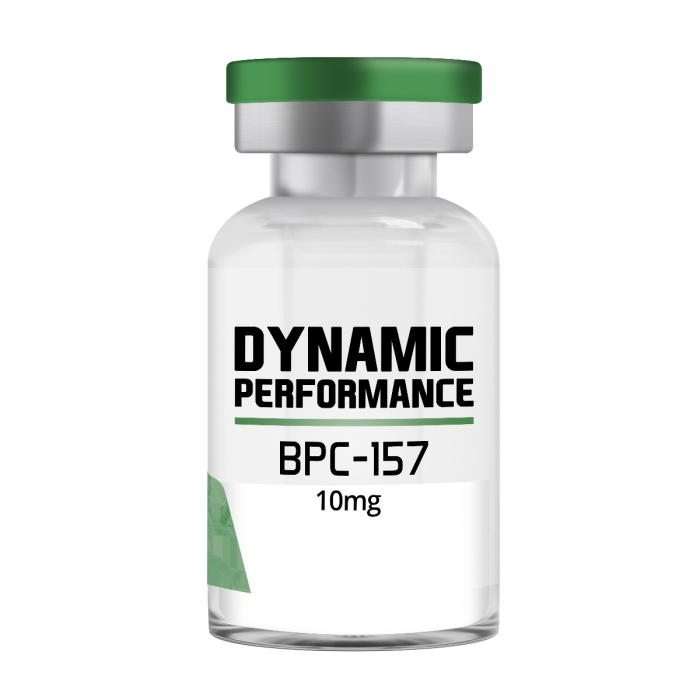
BPC-157 10mg is supplied as a research peptide vial. Also known as PL-14736 or Bepecin, this pentadecapeptide has been investigated in gastric cytoprotection, gastrointestinal models and the cellular processes involved in tissue repair.
 YOU MAY ALSO LIKE
BPC-157: from gastric research to tissue responses
BPC-157 10mg is a synthetic pentadecapeptide associated with research into gastric protection and repair-related biology. The development names PL-14736 and Bepecin help connect this molecule with its wider experimental and early clinical literature.
Gastrointestinal research
Investigations have explored BPC-157 in gastrointestinal injury and inflammation models. This research asks how tissue responds to damage and whether the peptide influences protective or repair processes. Early human work has also included ulcerative-colitis investigations, extending the questions beyond animal models.
The clinical reports are limited in size and detail, so they should be viewed as exploratory. They do not yet establish a dependable treatment effect for bowel disease.
Connective-tissue mechanisms
BPC-157 also appears in musculoskeletal research because of encouraging findings in tendon, ligament and muscle models. Work on cultured rat tendon fibroblasts reported increased growth hormone receptor expression, offering one potential link between cellular signalling and the tissue responses observed experimentally.
The combination of gastrointestinal and connective-tissue research gives BPC-157 a broad experimental profile. This 10mg vial and the 5mg listing contain the same named compound at different supplied quantities; neither quantity creates separate proof of clinical healing or long-term safety.
Also known as / branded as
- BPC157
- Body Protection Compound 157
- Gastric pentadecapeptide BPC-157
- PL 14736
- PL14736
- PL-14736
- Bepecin
| Dynamic Performance Range | Dynamic Performance: Peptides |
|---|
