




Monthly Archives: January 2026
-
January 30, 2026
A Closer Look at the Copper Peptide That Stands Out in Regenerative Research
In a world saturated with supplements promising everything from more energy to faster gains, copper peptides occupy a niche built on genuine biochemical function rather than hype. Among these, GHK-Cu — the tripeptide complex of glycyl-L-histidyl-L-lysine bound to copper — has one of the most substantial bodies of scientific investigation of any peptide marketed for health, recovery, and tissue support.
While the market often leans towards cosmetic headlines, the true story of GHK-Cu 50mg Peptide lies in fundamental biology: this peptide naturally exists in human plasma and tissues and appears intimately involved in signalling pathways that govern repair, regeneration and structural integrity.
How GHK-Cu Works at a Cellular Level
At its biochemical core, GHK-Cu is more than a structural molecule — it functions
-
January 05, 2026
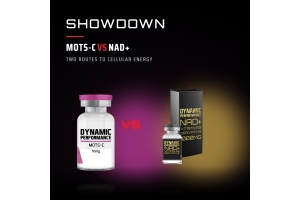
In the landscape of performance optimisation and metabolic health, few molecules have captured interest like MOTS-C. While its name might sound technical, what underpins it is simple yet profound: MOTS-C is a peptide derived from your own cellular powerhouses — the mitochondria — and it plays a key role in how your body handles energy at the most fundamental level.
What MOTS-C Is — And Why It Matters
At its core, MOTS-C is a short chain of amino acids naturally produced inside mitochondria. Unlike most peptides that originate from nuclear DNA, MOTS-C is encoded within the mitochondrial genome, giving it a unique tie to cellular metabolism and energy signalling.
What’s fascinating — and why researchers are paying attention — is that MOTS-C doesn’t just stay put. Under metabolic stress (think exercise or energy demand), it can move into the cell’s nucleus and influence how genes related to energy maintenance are expressed.