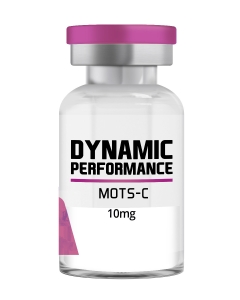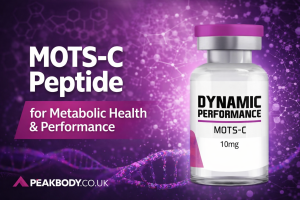

MOTS‑C 10mg Peptide — The Metabolic Peptide on the Cutting Edge of Energy & Performance
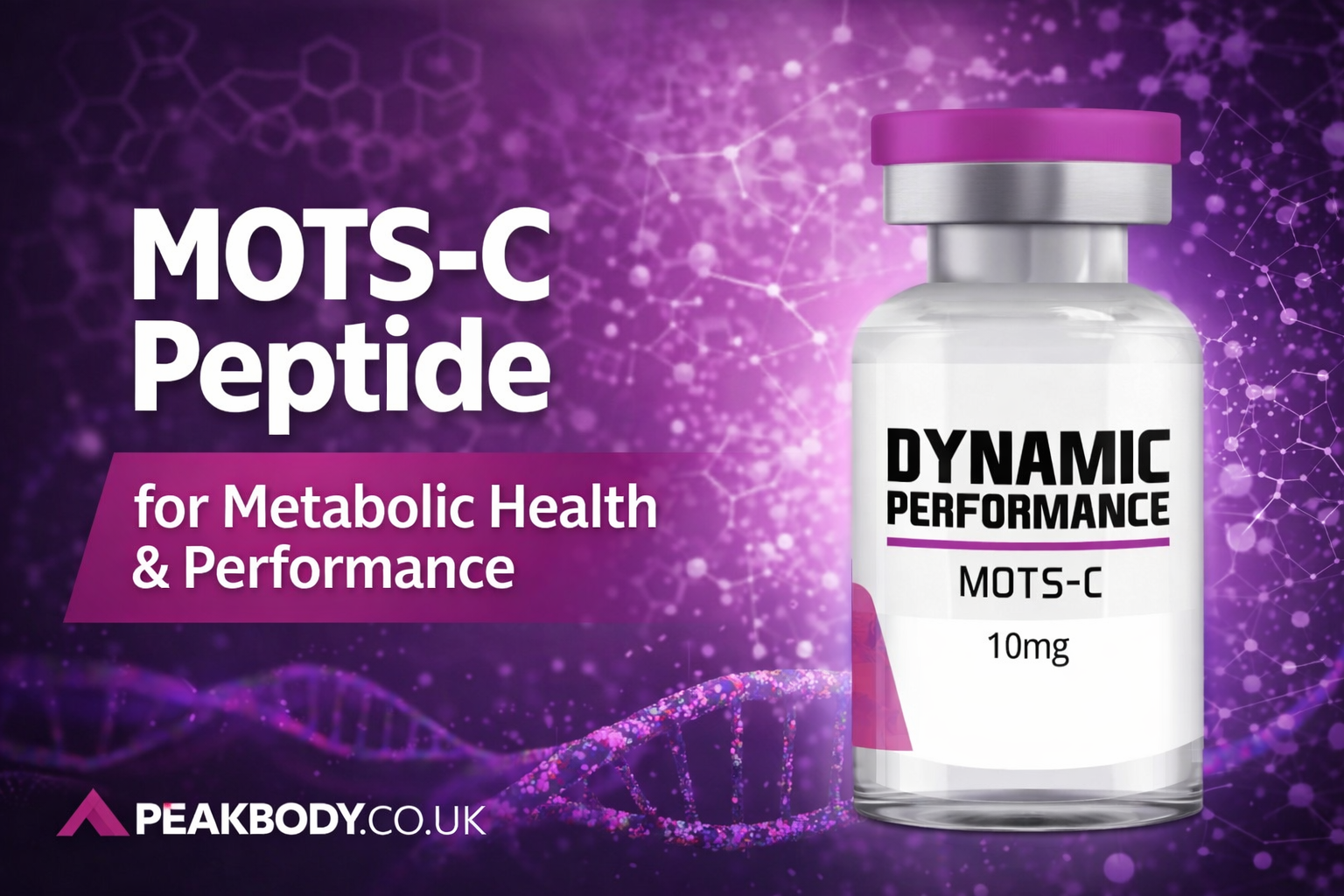
In the landscape of performance optimisation and metabolic health, few molecules have captured interest like MOTS-C. While its name might sound technical, what underpins it is simple yet profound: MOTS-C is a peptide derived from your own cellular powerhouses — the mitochondria — and it plays a key role in how your body handles energy at the most fundamental level.
What MOTS-C Is — And Why It Matters
At its core, MOTS-C is a short chain of amino acids naturally produced inside mitochondria. Unlike most peptides that originate from nuclear DNA, MOTS-C is encoded within the mitochondrial genome, giving it a unique tie to cellular metabolism and energy signalling.
What’s fascinating — and why researchers are paying attention — is that MOTS-C doesn’t just stay put. Under metabolic stress (think exercise or energy demand), it can move into the cell’s nucleus and influence how genes related to energy maintenance are expressed. That places it at the crossroads of metabolism, physical performance and cellular survival mechanisms.
Metabolism, Muscle & Movement: Unpacking the Effects
The science around MOTS-C still sits largely in pre-clinical and early human research, but the trends are intriguing:
- Energy efficiency and glucose handling: MOTS-C is linked with activation of the AMPK pathway — often called the “metabolic master switch.” This signalling mechanism enhances how cells take up glucose and use it for fuel, much like the effects seen with exercise or calorie restriction.
- Muscle metabolism and exercise adaptation: Studies show that MOTS-C expression increases after training, and in animal models, MOTS-C treatment improved metabolic responses in muscle tissue and overall physical performance.
- Fat metabolism & body composition signals: By modulating glucose uptake and fatty acid oxidation, MOTS-C appears to promote conditions that favour fat breakdown over storage — an effect that aligns with improved metabolic flexibility.
- Broad metabolic health observations: Beyond energy and performance, research signals that MOTS-C may reduce markers of metabolic stress, support insulin sensitivity and even interact with age-related metabolic decline — although most of this data is from lab models.
Together, these mechanisms hint at why MOTS-C has drawn interest not just from performance circles but from researchers exploring longevity, ageing and metabolic disorders.
Where MOTS-C Fits in a Training & Wellness Plan
If you’re serious about hitting your training goals — whether that’s lowering body fat, maintaining lean mass, improving glucose handling, or extending performance capacity — the logic of targeting cellular metabolism makes sense. MOTS-C sits upstream of many of the signals your body already uses during exercise and recovery. From an evidence perspective, its role in supporting metabolic resilience and efficient energy utilisation is what separates it from generic supplements that merely mask fatigue or support hydration.
It’s also worth noting that these mechanisms are much the same ones exercise itself stimulates — which is why MOTS-C levels increase after physical activity.
Health, Safety & Regulatory Notes
By design and current labelling, MOTS-C 10mg Peptide from PeakBody is supplied for research purposes only and not sold as a medicinal product. UK law restricts PeakBody from providing usage instructions or therapeutic claims.
At present, most scientific studies around MOTS-C are based on cellular models or animal research, with human clinical data still limited. Peptide therapies in general should be approached with informed oversight — especially if you’re managing metabolic conditions, taking medication, are pregnant or breastfeeding, or have underlying health issues. Always consult a qualified healthcare practitioner for personalised medical advice.