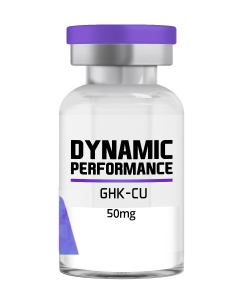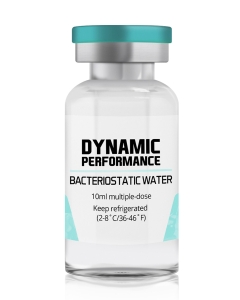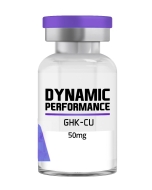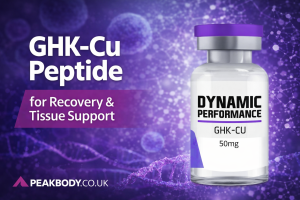

Dynamic Performance — GHK-Cu 50mg Peptide
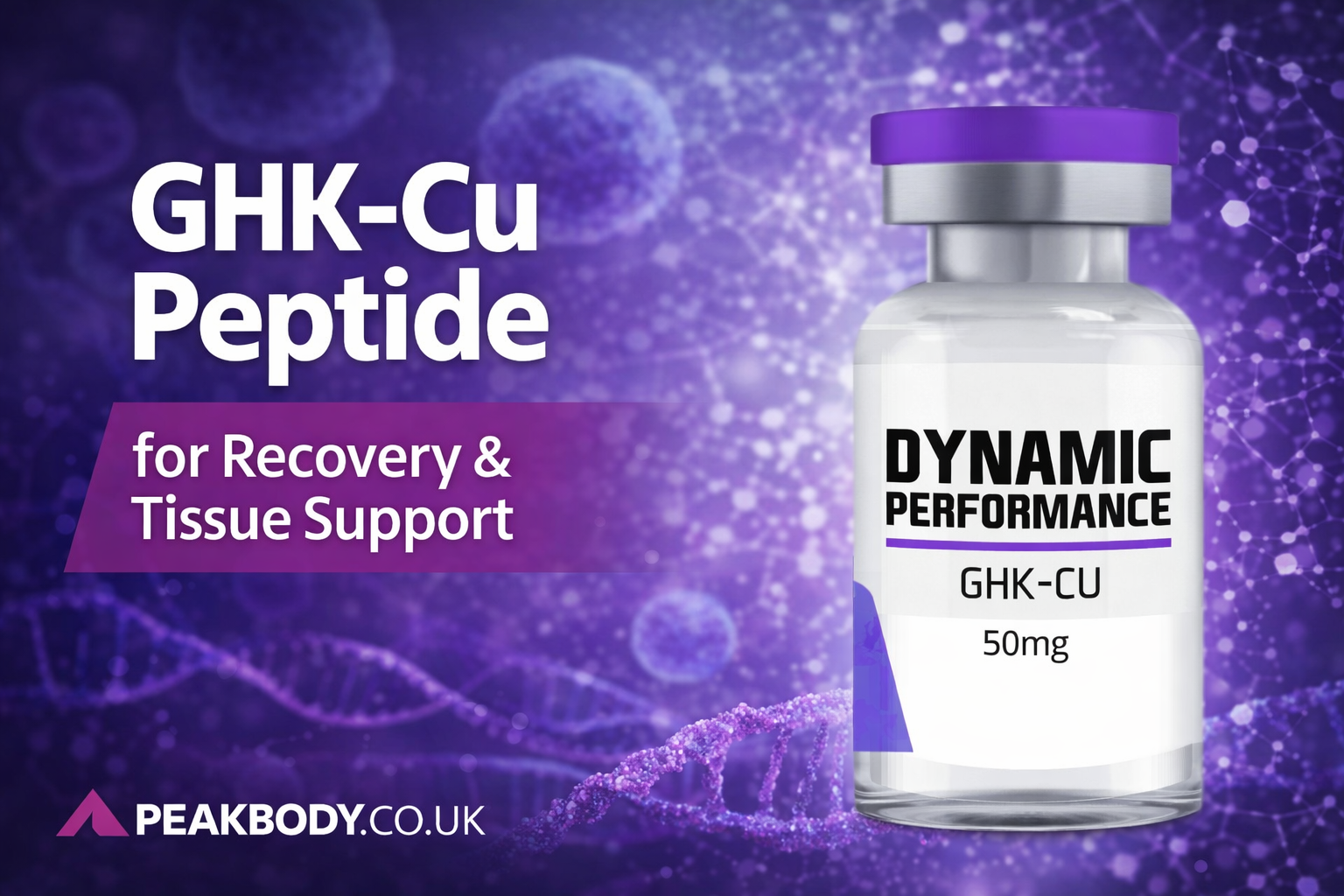
A Closer Look at the Copper Peptide That Stands Out in Regenerative Research
In a world saturated with supplements promising everything from more energy to faster gains, copper peptides occupy a niche built on genuine biochemical function rather than hype. Among these, GHK-Cu — the tripeptide complex of glycyl-L-histidyl-L-lysine bound to copper — has one of the most substantial bodies of scientific investigation of any peptide marketed for health, recovery, and tissue support.
While the market often leans towards cosmetic headlines, the true story of GHK-Cu 50mg Peptide lies in fundamental biology: this peptide naturally exists in human plasma and tissues and appears intimately involved in signalling pathways that govern repair, regeneration and structural integrity.
How GHK-Cu Works at a Cellular Level
At its biochemical core, GHK-Cu is more than a structural molecule — it functions as a signalling peptide. It modulates gene expression linked to repair and structural maintenance, influences collagen and elastin synthesis, and interacts with cellular pathways that manage inflammation and oxidative stress.
Here’s what the research suggests about how it supports the body’s resilience:
- Collagen & Extracellular Matrix Support: GHK-Cu has been shown to stimulate fibroblasts — the cells responsible for producing collagen and elastin — which are foundational for the strength and elasticity of connective tissues.
- Antioxidant and Inflammation Modulation: The peptide appears to activate antioxidant pathways and help regulate inflammatory responses at the cellular level, which can be relevant to recovery after intense physical strain.
- Wound Healing & Tissue Repair: Historically identified for its wound-healing properties, GHK-Cu accelerates repair processes in various tissues — from skin to connective structures — in experimental models.
- Gene Expression Influencer: Broad gene modulation by GHK-Cu suggests it doesn’t just “patch” tissue, it may support systemic cues that manage cellular renewal and restoration.
The implication here isn’t quick fixes — it’s support for processes the body already engages when you push it physically or recover from strain.
Where It Fits in a Health & Performance Regimen
In performance-oriented contexts, you can think of GHK-Cu 50mg Peptide less as a “boost” and more as an enhancer of innate biological infrastructure:
Tissue Quality: Strong connective tissue isn’t just about muscle fibres — it’s about the scaffold they rely on. Supporting collagen matrices and fibroblast activity aligns with durable performance.
Recovery Support: Following intense sessions — whether strength, conditioning, or endurance-based — cellular repair mechanisms are taxed. Molecules that signal repair and modulate inflammation naturally fit into this space.
Structural Maintenance: From joints to skin, maintaining extracellular integrity under physical stress is a long-game play relevant to athletes, regular lifters, and active adults alike.
Although topical and injectable applications of copper peptides have been more studied in aesthetic contexts, emerging data shows that the underlying biology — enhanced collagen synthesis, improved connective tissue quality, modulation of cellular stress — intersects with goals beyond surface-level appearance.
Practical Notes & Health Considerations
By design, GHK-Cu 50mg Peptide is supplied for research purposes only, and PeakBody does not provide usage instructions or therapeutic claims due to UK regulatory constraints.
Current clinical evidence leans heavily on cellular, animal, and in some topical human studies — particularly in skin repair and regeneration. High-quality large-scale clinical trials validating systemic effects in humans (e.g., for recovery optimisation or musculoskeletal outcomes) remain limited. Some health and regulatory bodies do not endorse peptides like GHK-Cu for wound healing or systemic therapy in medical guidelines.
Peptide products, especially those administered via injection, should be handled with informed oversight. They are not regulated as medicines in the UK and should only be considered as part of research or under qualified medical supervision. Anyone considering peptides should consult a healthcare professional, particularly individuals with underlying health conditions, those on medication, or women who are pregnant or breastfeeding.