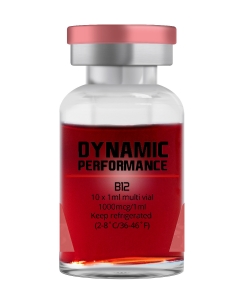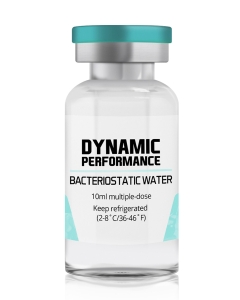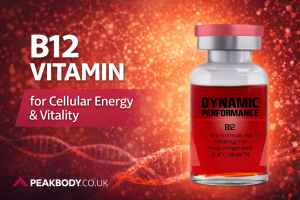

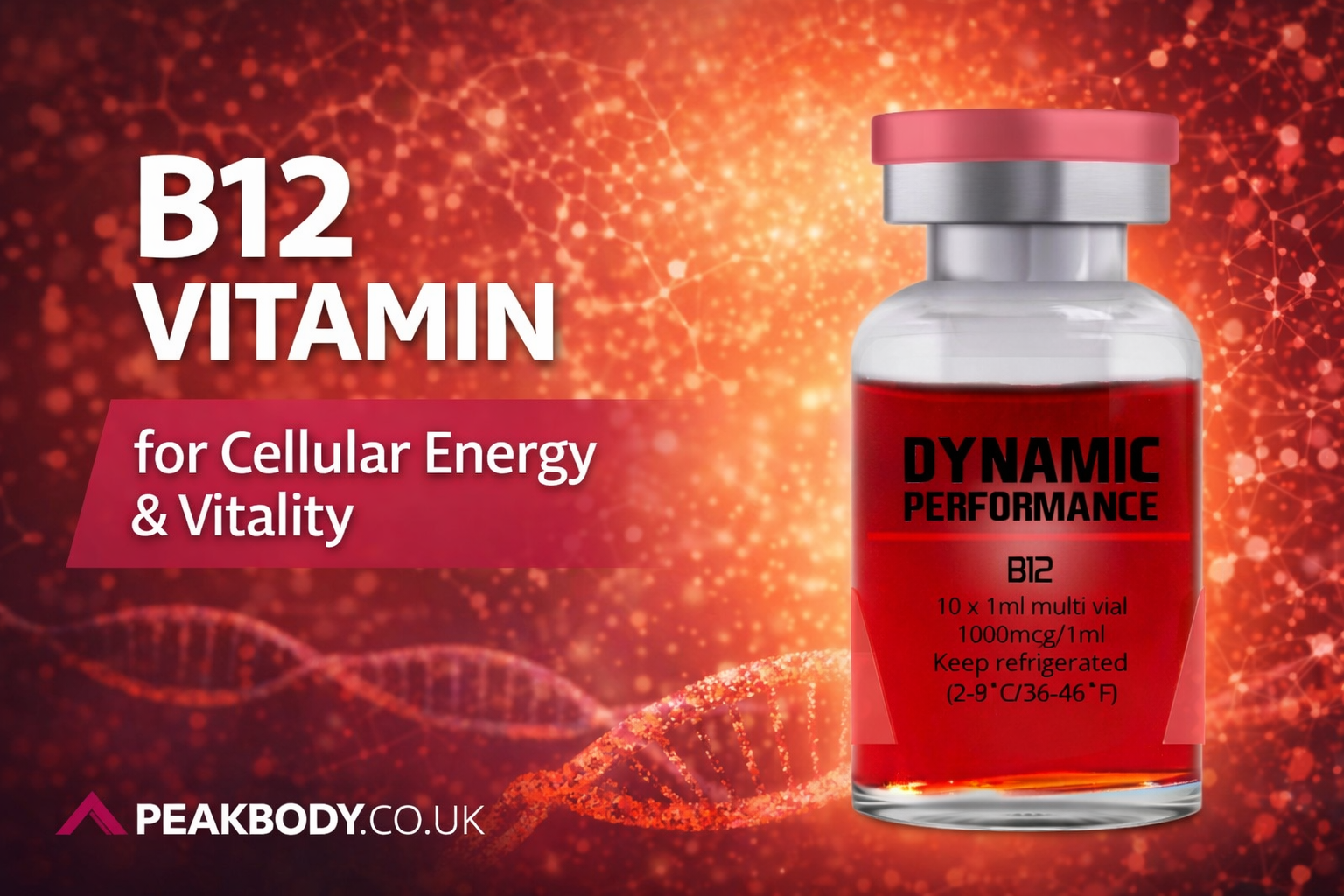
Dynamic Performance — Vitamin B12 10ml (1000 mcg/1 ml)
A Straightforward Look at a Classic Micronutrient in a High-Potency Form
When it comes to micronutrients, few are as consistently essential — yet so often misunderstood — as vitamin B12. In the fitness and health space there’s a tendency to treat B vitamins like magic “energy boosters,” but the real role of Dynamic Performance B12 Vitamin is grounded in basic human biology: it’s a key piece of how your body creates energy, maintains red blood cells and supports nervous system function.
What Vitamin B12 Actually Does
Vitamin B12 (also called cobalamin) isn’t a performance enhancer in the flashy sense — it’s a nutrient your body can’t do without. It’s involved in:
- Red blood cell formation: B12 helps your bone marrow produce healthy red cells, which carry oxygen to working muscles and tissues.
- Nervous system maintenance: The vitamin plays a non-negotiable role in nerve cell health and communication pathways throughout the body.
- DNA synthesis and cell metabolism: It’s essential for building new cells and keeping metabolic processes running efficiently.
These aren’t abstract concepts — they’re foundational to anyone who trains regularly, recovers from intense sessions, or simply wants to maintain good health as they age.
Why B12 Matters in Training & Daily Function
In the context of training and physical performance, the most relevant point is this: B12 doesn’t create energy from thin air, but it helps your body make energy more efficiently where deficiency exists. Without enough B12, your capacity to tolerate effort, recover from workouts, and maintain stamina can be compromised because your red blood cells and nervous system can’t function optimally.
Many people assume that more is better, but the evidence actually highlights a specific scenario where supplementation matters most — when there’s a deficiency to begin with. That’s why clinical guidance emphasises supplementation to address low levels rather than as a universal “performance pill.”
Still, certain groups can reasonably benefit from B12 support:
- Vegetarians and vegans: Plant-based diets rarely supply enough B12 naturally.
- Older adults: Absorption tends to decline with age.
- People with malabsorption issues: Conditions like Crohn’s disease can impair B12 uptake.
For these individuals, a well-formulated B12 product like Dynamic Performance B12 Vitamin can serve as a reliable source of the nutrient that’s bioavailable and easy to dose.
Practising a Balanced, Evidence-Aware Approach
Vitamin B12 is integral to many of the biological pathways your body uses every day — from oxygen transport to nervous system signalling and cellular metabolism. But it’s also a micronutrient where baseline status matters more than megadoses: there’s limited evidence that B12 provides meaningful benefits in otherwise healthy, replete individuals beyond correcting a deficiency.
That means B12 can be an effective piece of a broader health and performance strategy, particularly for those who are at risk of low levels or have been clinically shown to be deficient. In the context of PeakBody’s Dynamic Performance range, think of this product as supplying a foundation nutrient that keeps key systems running well — not as a shortcut to more reps or faster runs.
Health & Safety Considerations
By UK law, Dynamic Performance B12 Vitamin from PeakBody is supplied for research or supplementation purposes and isn’t marketed as a medicinal product. PeakBody does not provide specific therapeutic claims or usage instructions.
Vitamin B12 is water-soluble, and excess amounts are generally excreted via urine, making toxicity rare. However, what constitutes an optimal dose varies by individual and health status. Regularly taking high amounts well above typical daily requirements (which are in the microgram range) should be considered carefully, especially if you have underlying health issues, are pregnant or breastfeeding, or are on medications that affect nutrient absorption.
If you’re unsure about your B12 status or whether supplementation is appropriate for you, the most evidence-based step is to discuss it with a qualified healthcare practitioner and, if indicated, check your blood levels before choosing a dose strategy.